

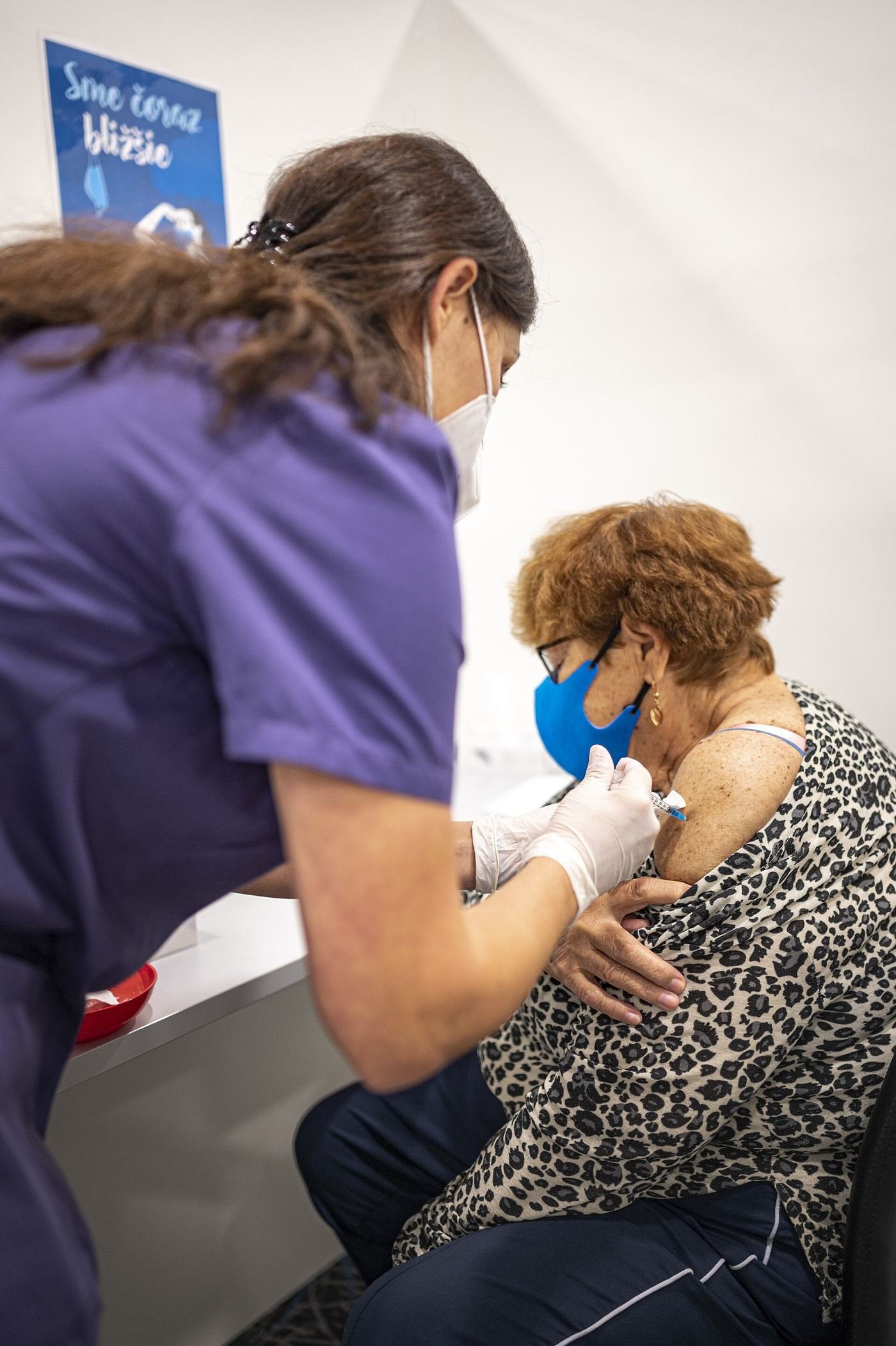
The US Centers for Disease Control and Prevention recommends a single dose of RSV vaccine for all adults aged 75 and older, and for adults aged 50 to 74 at increased risk of severe disease, including chronic heart or lung disease, a weakened immune system, or living in a nursing home. Three vaccines are licensed in the United States: Arexvy from GSK, Abrysvo from Pfizer, and mResvia from Moderna, the last an mRNA vaccine. None is a yearly shot, and people who have already had one dose do not need another at this time. The CDC said on 30 October 2026 that RSV activity was low in most areas of the country but starting to rise.
What the Evidence Shows
Real-world studies show the vaccines work well in older adults. During the 2023-24 season, Arexvy was about 77% effective at preventing RSV-related emergency department visits and 83% effective at preventing hospitalisations in adults aged 60 and older. Abrysvo was about 79% effective against emergency visits and 73% against hospitalisations in the same season. The CDC estimates that RSV causes 60,000 to 160,000 hospitalisations and 6,000 to 10,000 deaths each year among adults aged 65 and older, plus 58,000 to 80,000 hospitalisations in children under five. Vaccination before the winter peak offers the best protection. The vaccines are built around the virus’s F protein, with mResvia using mRNA to make that protein. Reporting and analysis from sources such as National Institutes of Health track the same developments, and specialists following RSV vaccine older adults say the direction is now consistent across independent lines of evidence.
The Wider Context
The wider context is a health system trying to move from treating illness late to preventing it early, against budgets that reward the opposite. Evidence around RSV vaccine older adults is being weighed by guideline committees that ask two questions in order: does it work, and can ordinary services actually deliver it at scale. Many good ideas pass the first test and stall on the second.
What Happens Next
What happens next for RSV vaccine older adults depends on the slow machinery of guidelines, funding and training catching up with the evidence. Patients asking about it today should expect honest answers that include uncertainty, and clinicians say a service that explains what is not yet known earns more trust than one that oversells. The research pipeline, at least, is moving in the right direction. You can follow related developments in our coverage of health.
None of this will be settled by a single announcement, study or product launch. The pattern to watch is accumulation: independent confirmations, honest reporting of failures and steady improvement in the underlying numbers. Readers who follow those signals, rather than the loudest claim of the week, will understand this subject better than most of the commentary surrounding it suggests is possible.
